
Divorce Rates in the United States

Child Support And Separation

Divorce can be a hard and unpleasant process, but it is typically the best course of action for couples who can no longer stay together. In the United States, divorce rates have been progressively increasing over the past several years, and it is necessary to understand the laws and regulations that govern the procedure. In this post, we will explore the divorce laws across the U.S., the ramifications of child support and separation, and how to discover the ideal divorce lawyer to help you through the procedure.

Divorce is a hard process for both parties, but there are different laws in states across the U.S. that can impact how the divorce is performed and what rights each partner has. It's crucial to comprehend which law applies to your scenario prior to filing, as each has its own advantages and downsides. By preparing in advance, you can make the procedure as smooth and cost-effective as possible.

The divorce rate is the percentage of marriages that end in divorce. In the United States, the divorce rate has increased steadily since the mid-20th century. According to the National Center for Health Statistics, the divorce rate in the United States was 2.9 per 1,000 people in 2018. This represents a decline from the peak rate of 5.3 per 1,000 people in 1980, but it is still significantly higher than the rate in the 1950s and 1960s.

The Right Divorce Lawyer

The Right Divorce Lawyer

When 2 people get divorced, they are most likely to experience a variety of emotional and psychological expenses. These expenses can be financial, legal, or relational. In this section, we will explore the existing trends and data of divorce in the US, as well as talk about some of the implications that this has for individuals and households.

According to current statistics, there are now over 50 million divorces in the United States alone. This represents an incredible 50% increase because 1990. The financial expense of divorce is likewise substantial-- it has actually been approximated that the typical American family spends $125,000 on their divorce process. This money can be spent on lawyers' fees, settlement negotiations, and other associated expenses.

There are likewise emotional and mental expenses related to divorce. One study found that individuals who have been through a divorce experience increased levels of stress and anxiety and depression for as much as 6 months after their split. In addition, they report lower levels of self-confidence and complete satisfaction with life general than those who have actually not experienced a divorce. These effects can last long after the preliminary stages of separation have actually ended.

Luckily, there are different methods to handle conflict and separation effectively. For example, couples may gain from seeking mediation or counseling prior to declaring divorce to lower stress and prepare for the procedure ahead. In addition to external support group such as pals or member of the family, many individuals discover convenience in accessing attorneys during difficult times such as a separation or child custody conflict. By employing assistance from an experienced lawyer or therapist early on while doing so, you might be able to minimize stressors and lessen your financial exposure throughout this time duration.

Overall, it is necessary for individuals impacted by divorce to interact with one another freely and truthfully throughout the entire procedure so that all parties feel comprehended and supported.

Household Laws And The Effects On Divorce Rates
Divorce rates in the United States are on the increase, and family law has altered to reflect this pattern. There are a variety of factors for this increase, consisting of monetary problems and absence of commitment. Over the past couple of years, household laws have actually progressed to represent these modifications. Laws governing child custody and visitation have actually become more complex and nuanced in order to deal with the distinct requirements of today's families.

One way that family law can impact divorce rates is by providing support networks for couples going through a difficult time. These networks can consist of treatment, therapy, and education. In addition, premarital counseling can assist prepare couples for the difficulties that they might face when getting wed. Faith likewise plays a role in divorce rates; religions often play a significant role in how household law is analyzed. As a result, marital relationships that involve different faiths might experience different levels of divorce rates.

While there is no surefire method to lower the divorce rate, there are numerous methods to enhance interaction within marriages and develop stronger support networks. This will help reduce stress levels and prevent relationships from ending too soon due to disputes or misunderstandings. Couples who are thinking about marriage must look for resources such as premarital counseling in order to make educated choices about their relationship future.

Finding The Right Divorce Lawyer
Divorce rates in the United States are on the rise, and it's important to be knowledgeable about this and find a good divorce lawyer to assist you through the procedure. Investigating your alternatives and speaking with loved ones can help you select the ideal lawyer for your particular requirements. Cost is constantly an aspect, think about things like success rate, experience, and cost-of-living distinctions when making your decision.

It is likewise crucial to comprehend that several consultations might be needed in order to find the right lawyer for you. This is due to the fact that every divorce is special, so it's important that your lawyer comprehends all of your issues. Ensure you ask concerns ahead of time so that you are clear on what will be covered throughout your assessment. And finally, ensure you check out consumer reviews online before selecting a lawyer-- they can supply valuable insights into how well each law office performs in specific circumstances.

Understanding The Legal Ramifications Of Divorce
When a marital relationship ends, it can be a mentally frustrating experience. You may find yourself feeling lost and alone, in addition to confused and overwhelmed. It's essential to keep in mind that you're not alone in this process, and there are resources available to assist you through it. Below, we'll detail some of the secret indications that your marriage is stopping working and the legal actions that you will require to take in order to end it.


One of the very first signs that your marital relationship is stopping working is when your relationship begins to feel tense or unpleasant. If one or both of you start to blast each other or withdraw from social activities, this may be a sign that things are not working out. If you're battling with financial resources, this might likewise be an indication that your marital relationship remains in difficulty. couples who are having a hard time financially often struggle with communication and intimacy as well, so it's important to look for these indication if they take place in your relationship.

If you're thinking about ending your marriage, it is necessary to understand the legal process involved. Divorce can be a hard procedure, but there are resources offered to assist make it much easier for both of you. Attorneys can assist with preparing all the necessary documents and filing motions on your behalf while supplying support throughout the whole procedure. The Impact of Divorce on Children offers insight into how divorce can affect kids-- both positively and negatively-- consisting of updates on child custody laws and spousal support plans post-divorce. Understanding Your Rights as a Divorced Spouse offers basic details about what rights you have after getting separated consisting of financial rights, estate preparation options, parenting time, and so on. No matter how hard things get after getting separated, there is constantly hope for restoring relationships. If mental health issues develop during or after divorce, seek out quality psychological health support. Finally, bear in mind that no 2 divorces are alike so do not think twice to connect for recommendations or support from friend or family who have actually been through a similar experience before.

What Are the Contributing Factors to the Divorce Rate in the United States?

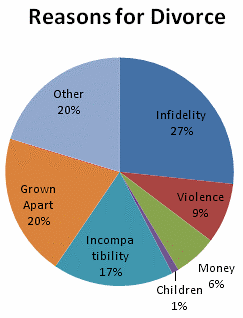
Several aspects contribute to the divorce rate in the United States. Among the most substantial elements is altering societal norms and worths. In the past, divorce was stigmatized, and social and legal barriers made it difficult for couples to end their marriages. Today, divorce is more accepted, and legal and social barriers have actually been lowered, making it easier for couples to divorce.

Another contributing aspect to the divorce rate is financial stress. Economic downturns, task loss, and other financial difficulties can strain marital relationships, leading to divorce. In addition, the increasing occurrence of dual-income homes suggests that couples are often managing the demands of work and family, causing increased stress and conflict.

Other elements that contribute to the divorce rate consist of adultery, interaction breakdowns, and domestic violence. While these problems can be present in any marital relationship, they can be especially challenging to conquer and may ultimately lead to divorce.

Divorce can have considerable emotional, monetary, and social consequences for all parties involved. For couples, divorce can be emotionally traumatic, causing sensations of anger, unhappiness, and loss. It can also be financially pricey, especially if there are significant assets or financial obligations included.

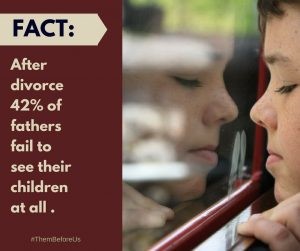
For children, divorce can be particularly challenging. Studies have actually shown that kids of divorced moms and dads are most likely to experience emotional and behavioral issues, scholastic problems, and social challenges. With appropriate support and resources, numerous children are able to navigate the difficulties of divorce effectively.


The divorce rate in the United States is a complicated societal phenomenon that impacts countless Americans each year. While there are numerous contributing aspects to the divorce rate, altering societal norms and worths, monetary stress, and domestic